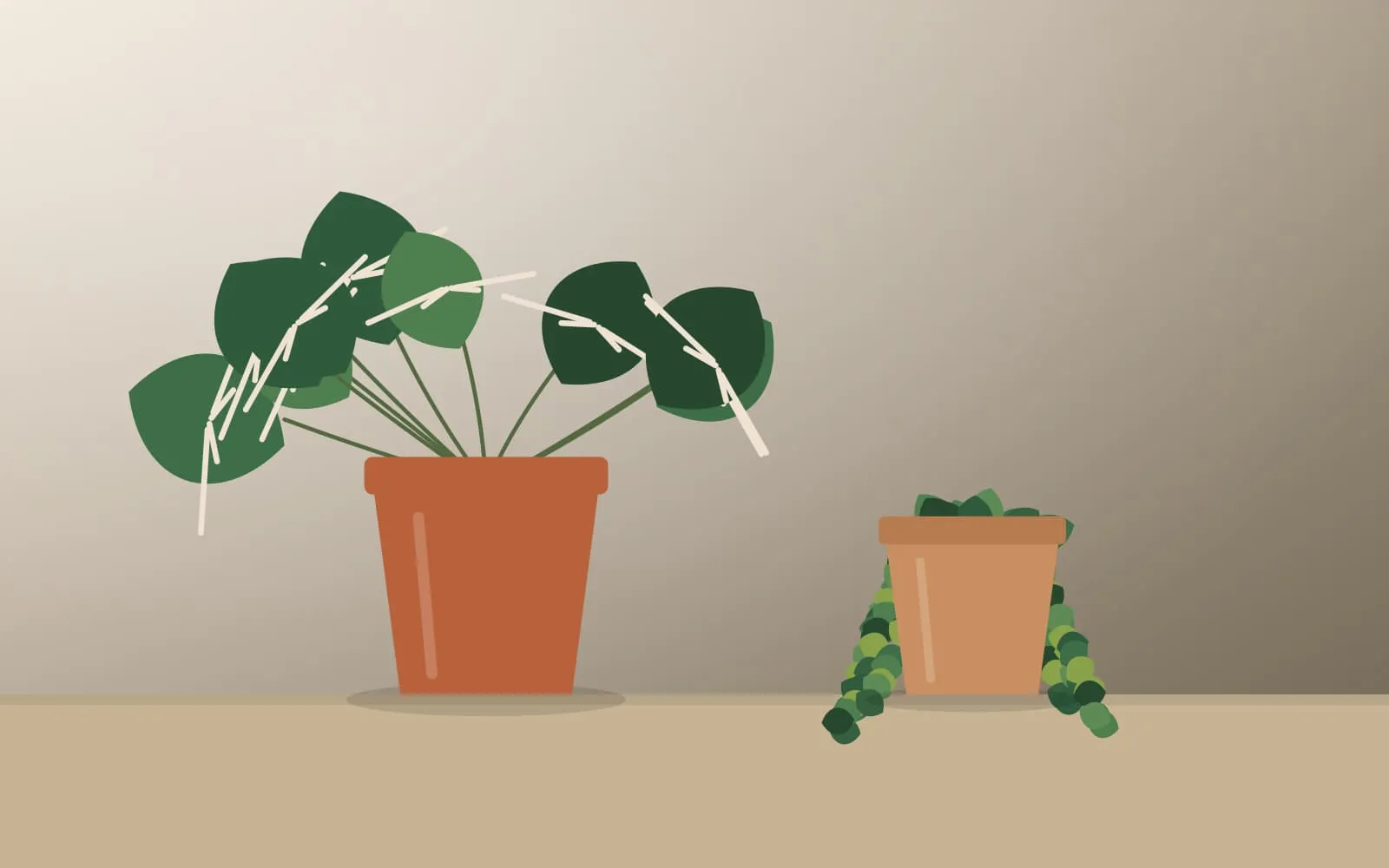
Most of the sad plants we see in the plant hospital between November and February have the same story: they were watered on the same schedule as in summer. In winter there is less light, growth slows to a crawl, and compost stays wet for much longer. Roots that sit in cold, wet compost can’t breathe, and that’s when the yellow leaves start.
Check the compost, not the calendar
Push a finger into the compost up to the second knuckle. If it feels damp, wait. If it’s dry, water. That one habit fixes most winter problems, and it works for almost every plant we sell.
For bigger pots, a wooden chopstick works well: push it to the bottom, pull it out and look for dark, damp compost clinging to it.
Roughly how often
These are starting points for a heated home in the UK. Your plants will tell you if you need to adjust.
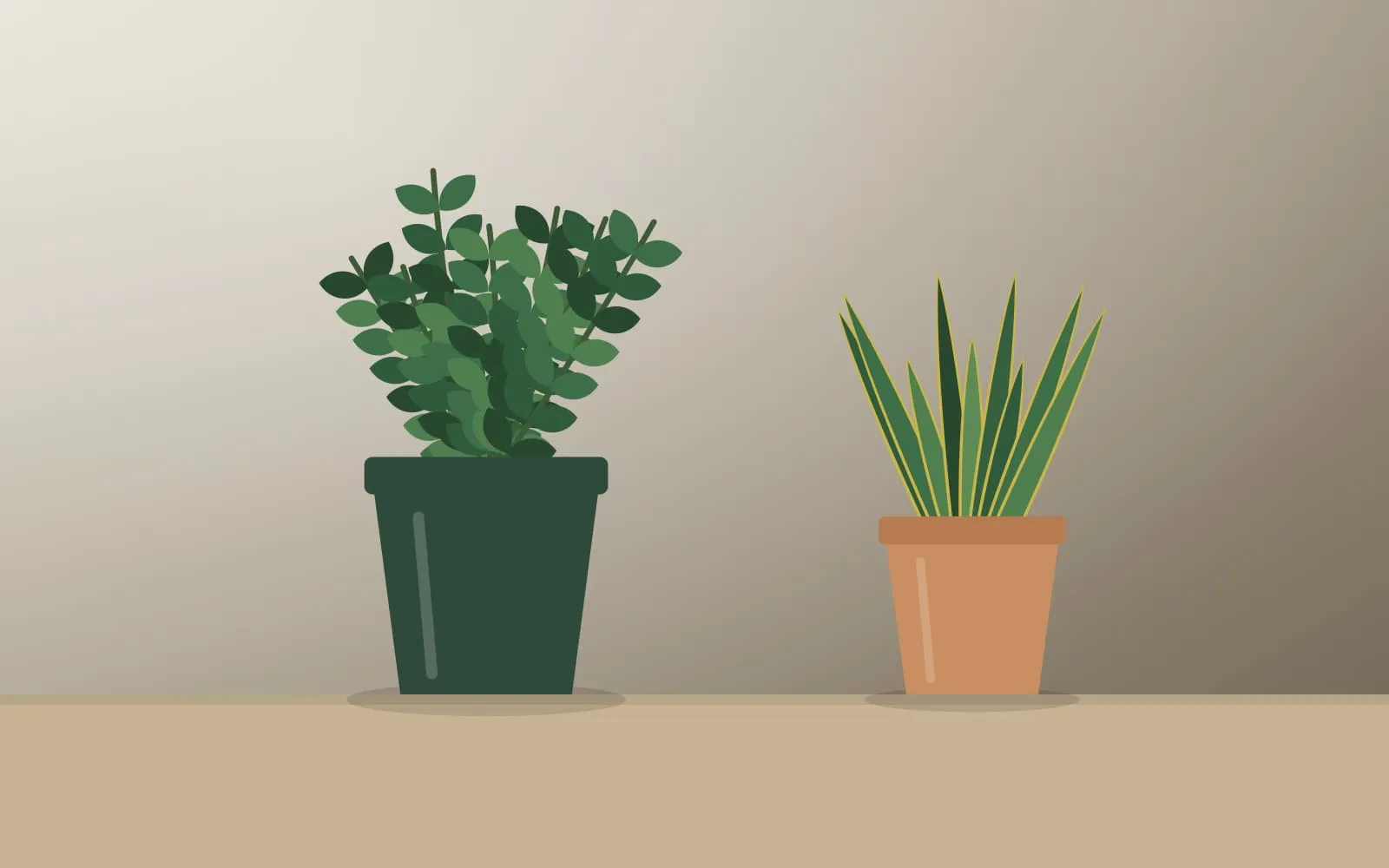
- Snake plants and ZZ plants: every four to six weeks, sometimes less.
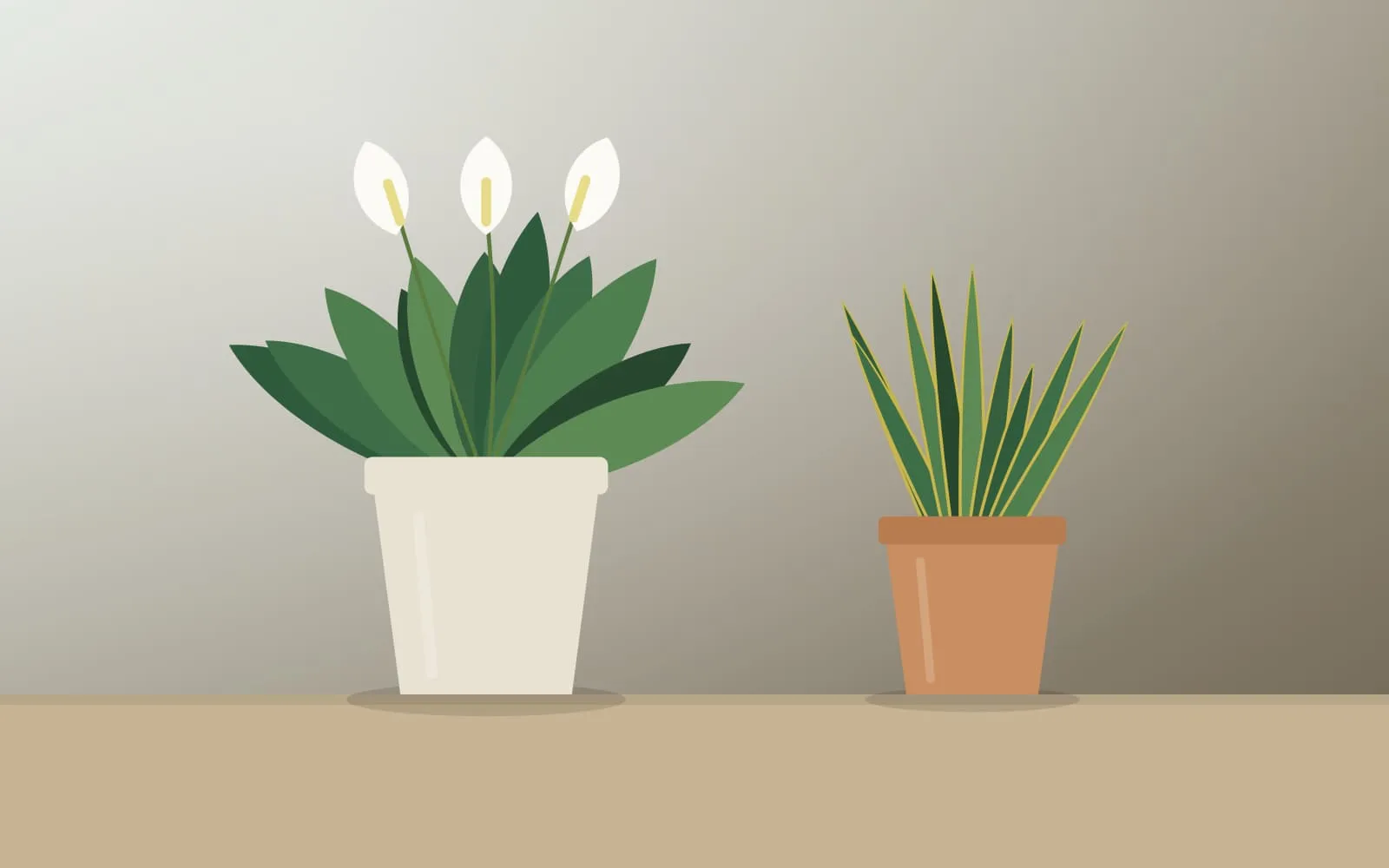
- Pothos, monstera and peace lilies: every two to three weeks.
- Calatheas and ferns: keep lightly moist, so check every week but only water when the surface is dry.
Watch out for radiators
Central heating dries the air and the compost near the surface, which can fool you into thinking a plant is thirsty when the roots are still wet. Move plants at least a metre from radiators, and group humidity-lovers together so they share moisture.
Hold the feed
Plants barely grow in winter, so there’s nothing for fertiliser to do. Stop feeding in October and start again in late March, when you see new leaves.
If a plant does start to droop and the compost is wet, ease it out of its pot and look at the roots. Firm and pale is good. Brown and soft means rot: bring it in to us and we’ll help you rescue what you can.