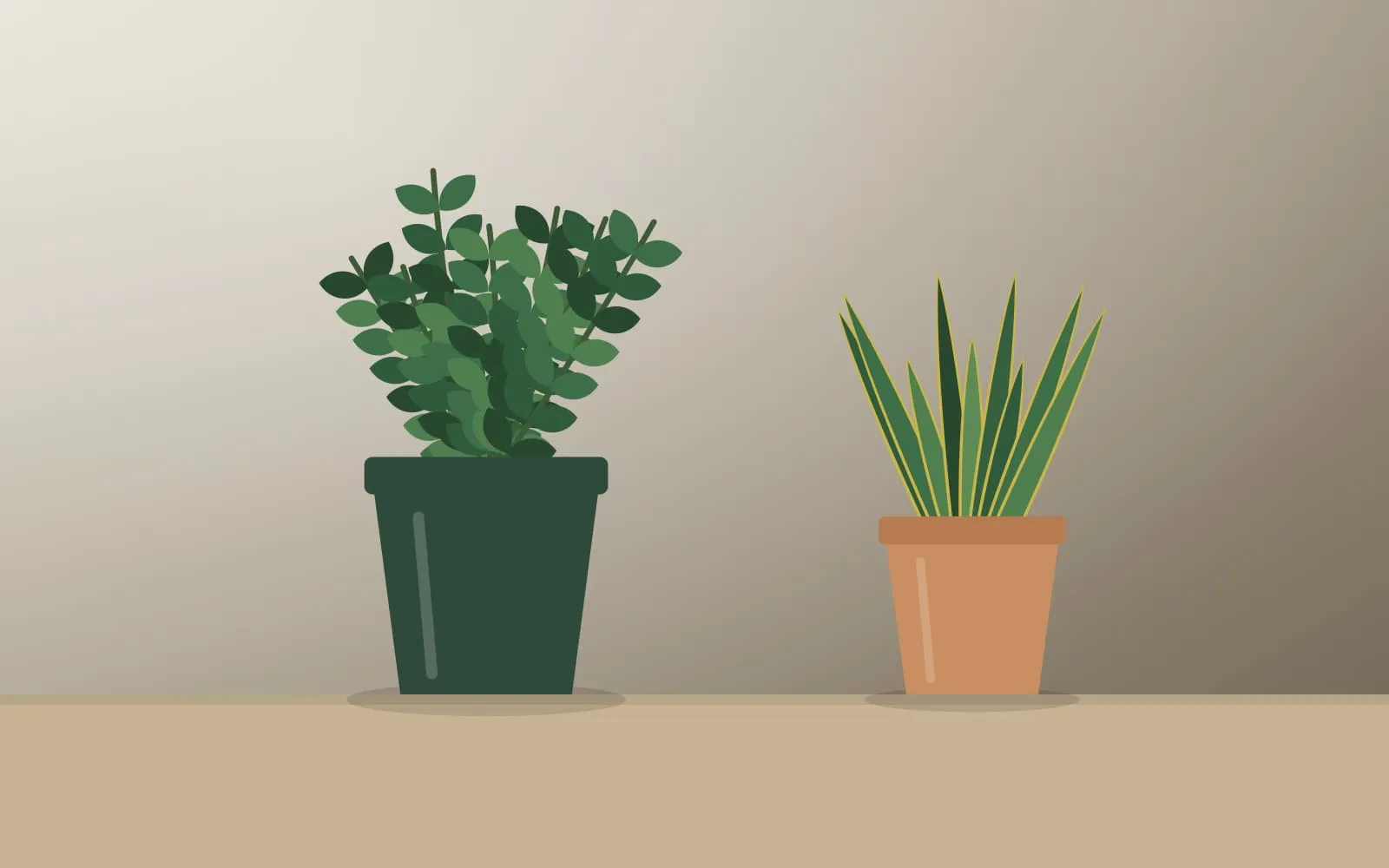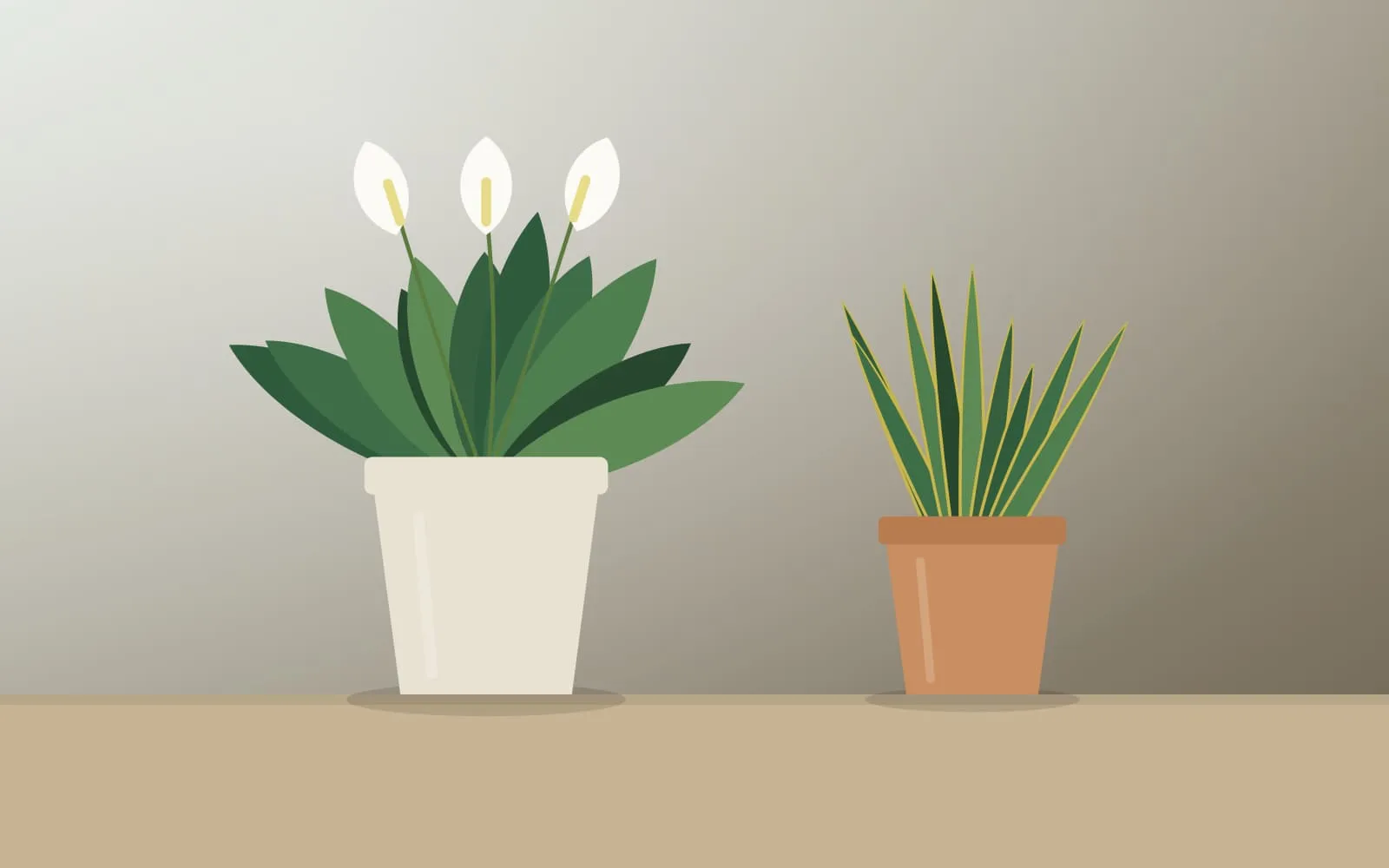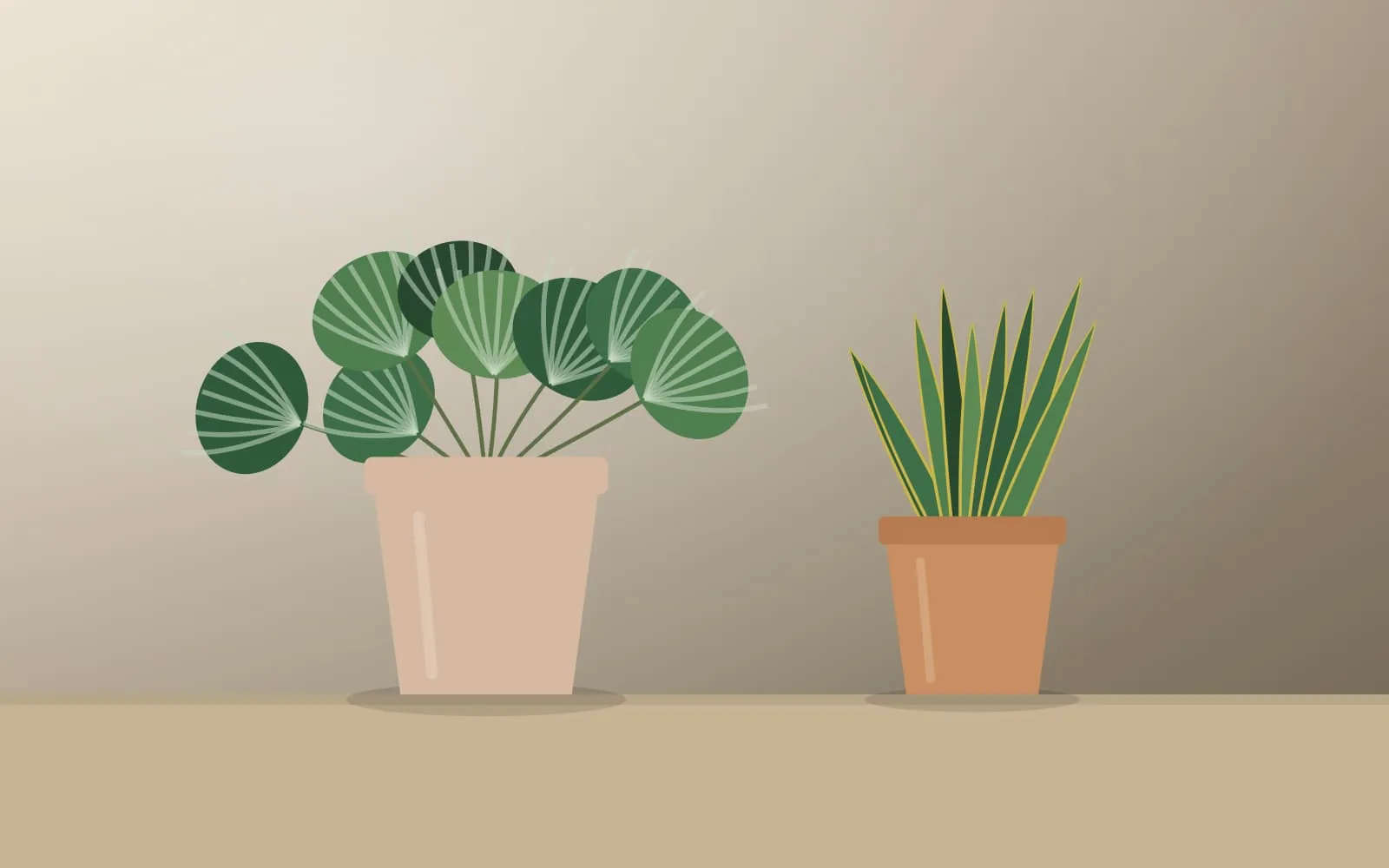
Plenty of popular houseplants can upset a pet’s stomach if chewed, including monstera, pothos, peace lilies and snake plants. The good news is that there are lovely alternatives that are considered non-toxic to cats and dogs.
Our pet-friendly favourites
- Calathea orbifolia. Big, round, silver-striped leaves. It likes humidity, so it’s a natural fit for a bathroom.
- Parlour palm. Soft, feathery and tolerant of lower light.
- Boston fern. Lush and full, as long as it never dries out.
- Spider plant. Very easy, and it makes plenty of babies to share.
- Peperomia. Compact, with dozens of leaf shapes and patterns to collect.
Look for the pet-friendly label in our shop and on each plant’s page.
Keeping the peace
Even safe plants can be knocked over or dug up. A few things help:
- Go high. Shelves and hanging pots keep trailing plants out of reach.
- Cover the compost. A layer of pebbles stops digging and keeps fungus gnats away too.
- Offer an alternative. A pot of cat grass gives a cat something it’s allowed to chew.
A note of caution
“Non-toxic” means a plant isn’t known to be poisonous, not that it’s a good snack. Eating any plant can upset a sensitive stomach. If your pet seems unwell after chewing a plant, call your vet and tell them which plant it was. The ASPCA plant list is a useful reference.